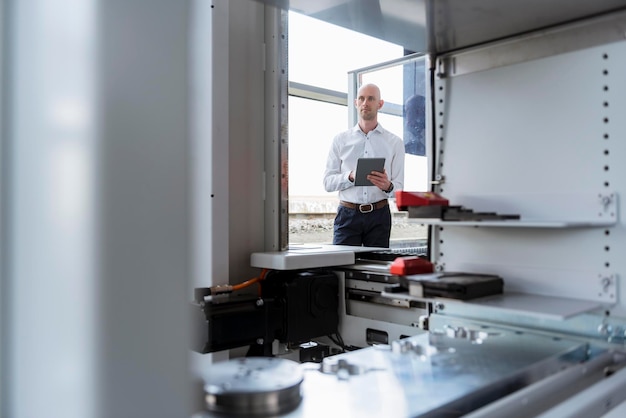
A Consultation Process Built on Understanding Your Kitchen
Our methodology prioritizes comprehension over sales, matching equipment to how you actually cook rather than promoting standard configurations.
Return HomeFoundation Principles
Equipment consultation should begin with questions rather than product catalogs. We've found that understanding how kitchens actually function—their menu structures, service patterns, preparation methods, and space constraints—yields better equipment matches than applying standard formulas. This principle emerged from observing how often conventional approaches resulted in underused tools or missing essential items.
Professional equipment represents significant investment, whether for commercial operations or serious home cooking. That investment deserves thoughtful consideration of actual requirements rather than rushed decisions based on incomplete information. Our process deliberately slows down to ensure clarity about what you're purchasing and why it serves your specific situation.
Equipment knowledge matters as much as equipment itself. A commercial range provides value only when operators understand proper heat management, maintenance requirements, and safety protocols. We integrate training into our service because expensive tools become liabilities without the knowledge to use them effectively. This educational component distinguishes our approach from simple equipment sales.
Investigation First
Understanding your situation thoroughly before suggesting any equipment.
Honest Assessment
Recommending what you need, including when current equipment might suffice.
Knowledge Transfer
Ensuring you understand how to operate and maintain equipment properly.
The Flamevault Consultation Framework
Discovery Conversation
Initial meetings focus on understanding your cooking context. For restaurants, we discuss menu concepts, projected covers, service style, and kitchen space. For home kitchens, we explore cooking frequency, techniques you use regularly, and aspirations for your culinary practice. This conversation happens without pressure to purchase, establishing a foundation for appropriate recommendations.
Requirement Analysis
We assess your specific needs against available options. This includes considering space constraints, budget parameters, and future scalability where relevant. For commercial kitchens, we examine workflow patterns and peak demand scenarios. Home consultations address how equipment fits within residential infrastructure and realistic usage patterns.
Recommendation Development
Based on our analysis, we suggest specific equipment configurations. Recommendations include rationale for each item, explaining how it serves your identified needs. We present options at different price points when available, discussing trade-offs between features and cost. This transparency helps you make informed decisions aligned with your priorities.
Procurement Coordination
Once you approve selections, we handle equipment sourcing and coordinate delivery timing. For restaurant projects, we work with your construction or renovation schedule. Home installations require coordinating with existing household routines. Our goal is minimizing disruption while ensuring equipment arrives ready for proper installation.
Installation Support
We provide guidance during installation phase, ensuring proper setup and connection. While specialized trades handle technical installations like gas lines or electrical work, we verify equipment placement supports your intended workflow. This oversight prevents common mistakes that compromise equipment performance or kitchen efficiency.
Training Implementation
Orientation sessions cover operation techniques, maintenance procedures, and safety protocols specific to your equipment. For commercial kitchens, training addresses multiple shifts to ensure consistent knowledge. Home sessions focus on maximizing equipment capabilities within residential context. We provide reference materials and remain available for follow-up questions as familiarity develops.
Professional Standards and Quality Assurance
Our equipment recommendations reference commercial kitchen standards developed through hospitality industry experience. These standards address safety requirements, capacity calculations, and workflow optimization principles that have evolved over decades of professional practice. We apply this knowledge to both commercial and residential situations, scaling appropriately.
Equipment quality assessment involves evaluating construction materials, component reliability, manufacturer support capabilities, and expected service life. We favor manufacturers with established track records and responsive service networks. This focus on durability over novelty helps ensure equipment performs consistently throughout its intended lifespan.
Training programs incorporate best practices from professional culinary education while adapting to specific equipment and usage contexts. Safety protocols follow industry standards for commercial kitchens, modified where appropriate for home environments. Our goal is transferring knowledge that protects both operators and equipment while enabling effective use.
Quality Indicators We Evaluate
Construction Quality
Materials, welds, component assembly that indicate longevity
Manufacturer Reputation
Track record, warranty support, parts availability
Safety Compliance
Appropriate certifications and safety feature implementation
Energy Efficiency
Operating costs and environmental impact considerations
Maintenance Requirements
Ease of routine care and long-term upkeep needs
User Experience
Interface design, controls accessibility, operational comfort
Limitations of Conventional Equipment Selection
Standard equipment packages often assume generic kitchen operations, missing the specifics that define how individual kitchens actually function. A restaurant serving primarily grilled items needs different equipment ratios than one focusing on braised dishes, yet conventional approaches might suggest similar configurations. This one-size-fits-all mentality leads to either missing tools or underutilized equipment.
Many equipment sales processes emphasize features and specifications without sufficient context for how they serve actual cooking needs. Home cooks face particular challenges here, as residential marketing often promotes professional features without clarifying whether they suit typical home usage patterns. The result is expensive equipment that remains underused because it doesn't match how people actually cook at home.
Equipment knowledge transfer is frequently absent from conventional sales processes. Buyers receive user manuals but little practical guidance on optimal operation techniques or maintenance practices that extend equipment life. This knowledge gap means equipment often performs below its potential or experiences premature wear from improper use.
Conventional Approach
- • Standard package recommendations regardless of specific needs
- • Feature-focused sales without usage context
- • Limited post-sale support or training
- • Pressure to purchase quickly
Our Approach
- • Customized recommendations based on your kitchen analysis
- • Usage-focused guidance explaining practical benefits
- • Comprehensive training and ongoing availability
- • Time to consider decisions without pressure
What Distinguishes Our Process
Conversation Over Catalog
We begin every engagement with extensive discussion about your cooking context before introducing any equipment options. This investment in understanding pays dividends in recommendation accuracy. Clients appreciate consultations that acknowledge their specific situations rather than applying generic solutions.
Independent Equipment Assessment
Our recommendations prioritize your needs over vendor relationships or inventory concerns. This independence allows honest assessment of which equipment serves your situation, including acknowledging when less expensive options suffice or when your current equipment might remain adequate. We earn trust through transparency rather than promoting unnecessary purchases.
Integrated Training Commitment
Training sessions are fundamental to our service rather than optional add-ons. We've observed how proper equipment knowledge dramatically impacts satisfaction and performance. By including training in our standard process, we ensure clients develop competence alongside their equipment investment.
Long-term Relationship Focus
Our business model emphasizes repeat clients and referrals over one-time transactions. This approach aligns our interests with your satisfaction—we succeed when equipment performs well and clients feel supported. Many clients return for additional projects or recommend our services to others, validating this relationship-focused methodology.
How We Measure Success
Success in equipment consultation manifests through multiple indicators. Initial equipment performance matters—does it function as expected and match the promised capabilities? Beyond basic operation, we assess whether equipment truly serves your workflow as anticipated during consultation. This evaluation happens through follow-up conversations and observing how equipment integrates into daily practice.
Client confidence represents another success measure. Do you feel comfortable operating equipment independently? Can staff members across different shifts use tools consistently? Training effectiveness shows in this operational confidence, which builds gradually as familiarity increases. We track questions and concerns during the first months to gauge whether knowledge transfer succeeded.
Long-term satisfaction proves ultimate success. Equipment that remains useful years after installation validates our selection process. Clients returning for additional projects or recommending our services signals they found value beyond the transaction. We maintain relationships to understand how equipment performs over extended periods, learning from both successes and areas for improvement.
Initial Integration
Equipment becomes familiar, workflow adjusts, confidence builds
Performance Validation
Efficiency gains materialize, maintenance routines establish
Long-term Satisfaction
Continued reliability, justified investment, potential expansion
Expertise Serving Cyprus Kitchens Since 2016
Flamevault's methodology developed through years of equipment consultation across diverse kitchen environments. Our experience spans restaurants representing various cuisines and service styles, from traditional Cypriot tavernas to contemporary fusion concepts. This breadth informs our understanding of how different cooking approaches translate into equipment requirements.
Our team brings professional kitchen experience to consultation work. Having operated in commercial settings ourselves, we understand equipment performance under actual working conditions rather than just manufacturer specifications. This practical knowledge shapes recommendations grounded in real-world usage rather than theoretical capabilities.
Cyprus's unique position—Mediterranean climate, diverse culinary influences, mix of tourism and local dining—creates specific considerations for kitchen equipment. We account for these factors in our recommendations, understanding how local conditions influence equipment selection and operation. This regional expertise benefits both commercial operations and serious home cooks across the island.
Continuous improvement guides our methodology evolution. We learn from each consultation, refining our approach based on what works and what could improve. Client feedback, equipment performance tracking, and industry developments all inform our process. This commitment to learning ensures our methodology remains relevant and effective as markets and technologies evolve.
Experience Our Consultation Process
Whether you're planning a restaurant opening, considering kitchen upgrades, or seeking guidance on equipment choices, we're available to discuss your situation without obligation.
Schedule a Consultation