
Unlock the Full Potential of Your Kitchen Equipment
Move from uncertainty to confidence as you learn to operate your equipment properly, maintain it effectively, and get the most from your investment.
Return to HomepageWhat Training Brings to Your Kitchen
Imagine approaching your equipment with genuine understanding rather than hesitation. You know which settings produce specific results, which maintenance tasks prevent problems, and which techniques maximize performance. Your team members handle tools confidently rather than tentatively. Equipment that once felt intimidating now feels like a natural extension of your capability. The investment you made in quality tools finally delivers its full value.
Training creates this transformation. We work hands-on with your specific equipment, covering operation techniques that produce consistent results, maintenance practices that extend equipment life, and safety protocols that protect both people and tools. Whether you're restaurant staff learning new kitchen systems or a home cook wanting to master recently purchased appliances, the focus remains on practical knowledge you'll use regularly rather than abstract technical information.
You gain confidence that changes how you approach cooking tasks, efficiency that comes from understanding proper technique, and peace of mind knowing you're operating equipment correctly. The frustration of underutilized capability dissolves as you discover what your tools can actually do. Your kitchen becomes a space where equipment supports your work rather than creating uncertainty, where your investment yields returns through daily use.
When Equipment Remains Mysterious
Quality kitchen equipment comes with substantial capability, but that capability sits unused when operators don't understand how to access it. Many restaurant kitchens operate well below their equipment's potential because staff never learned proper techniques. Home cooks purchase professional-grade appliances that mostly function as expensive versions of basic tools because they don't know what else those appliances can do. The gap between equipment capability and actual use represents wasted investment and missed opportunity.
Equipment manuals provide technical specifications but rarely explain practical operation in context. You're left figuring out settings through trial and error, which works slowly at best and sometimes creates bad habits that persist. Maintenance requirements remain unclear until something breaks, often because of preventable neglect. Safety protocols get learned through near-misses rather than proper instruction. This approach wastes time, risks damage, and limits what you can accomplish.
For commercial kitchens, inadequate training creates operational inconsistency. Different staff members develop different approaches, producing variable results and increasing food waste. Equipment gets used incorrectly, shortening its functional life and requiring premature replacement. Team members feel uncertain, which slows service and increases stress during busy periods. For home cooks, complex equipment sits mostly idle because operating it feels too complicated, turning what should be an asset into a source of mild guilt.
Our Training Approach
Rather than working from generic manuals, we train on your actual equipment in your working environment. For commercial kitchens, this means conducting sessions during non-service hours using your tools, your layout, and your typical preparations. For home kitchens, we work in your space with your appliances and your cooking priorities. This context-specific approach ensures training applies directly to how you'll actually use equipment rather than presenting abstract capability.
Sessions emphasize hands-on practice rather than passive instruction. We demonstrate proper techniques, then have participants perform them while we provide immediate feedback. Common mistakes get identified and corrected before they become habits. Questions receive practical answers focused on your situation. By session end, everyone has actually operated equipment correctly multiple times rather than just watching demonstrations or reading about procedures.
Training coverage includes operation fundamentals for consistent results, routine maintenance that prevents problems, troubleshooting common issues before calling for service, and safety protocols specific to your equipment. For commercial kitchens with multiple shifts, we can conduct repeat sessions to ensure consistent knowledge across your entire team. We provide reference materials summarizing key points, and remain available afterward for follow-up questions as you apply what you've learned.
Training Session Components
Core Skills
- Proper operation techniques for consistent results
- Understanding settings and their practical effects
- Common mistakes and how to avoid them
- Maximizing equipment capability and efficiency
Care and Safety
- Daily and weekly maintenance procedures
- Recognizing when professional service is needed
- Safety protocols for equipment-specific hazards
- Extending equipment life through proper care
What Training Sessions Look Like
Session Planning
Before training, we discuss which equipment requires attention and what concerns or questions exist. For commercial kitchens, we review your typical preparations to ensure training addresses actual workflow. For home cooks, we talk about which cooking methods you use and what you'd like to do more of. This planning ensures session time focuses on genuinely useful knowledge rather than covering unnecessary material.
Hands-On Practice
Sessions emphasize doing rather than just observing. We demonstrate techniques, explain the reasoning behind them, then have participants practice while we observe and provide feedback. This might involve preparing actual dishes, performing maintenance tasks, or working through common scenarios. The goal is building muscle memory and practical understanding rather than just conveying information that might be forgotten.
Problem Solving
We address specific challenges participants have experienced or anticipate. Questions get practical answers demonstrated on actual equipment. Common issues get troubleshot together so everyone understands how to identify and resolve them. This problem-focused approach ensures training responds to real concerns rather than just covering generic material that might not apply to your situation.
Follow-Up Support
After training, you receive reference materials summarizing key techniques and maintenance schedules. We remain available for questions as you apply what you learned and encounter situations we didn't cover in the session. For commercial kitchens adding new staff, we can conduct additional sessions to ensure consistent knowledge across your team. Training represents the beginning of confident equipment use rather than a one-time event.
Investment for Training Sessions
Per training session
Training investment varies based on session duration, number of participants, and equipment complexity. A focused session for one or two people on specific equipment might fall toward the lower range, while comprehensive training for an entire restaurant staff covering multiple pieces would approach higher investment levels. For commercial kitchens, we can structure sessions across multiple shifts to accommodate scheduling without disrupting service.
The return comes through improved equipment performance, extended equipment life through proper maintenance, reduced waste from consistent technique, and increased staff confidence. Many commercial kitchens find training pays for itself within weeks through these operational improvements. Home cooks discover they start using equipment capabilities they'd previously ignored, finally realizing the value of tools they already own. The investment transforms equipment from expensive mystery into reliable capability.
Operational Confidence
Team members who understand their tools work more efficiently
Extended Equipment Life
Proper operation and maintenance prevent premature wear
Maximized Investment
Use equipment capabilities you paid for but weren't accessing
Why Training Makes a Difference
Equipment capability only matters when operators know how to access it. We've seen countless kitchens where expensive tools function as basic equivalents because nobody learned proper technique. A high-quality oven used on a single setting performs no better than a basic model. A sophisticated cooktop operated without understanding its controls wastes its precision. Professional-grade equipment sitting mostly idle represents investment that never delivers returns. Training transforms capability from theoretical to practical.
We measure training effectiveness through observable changes. Do participants operate equipment more confidently after sessions? Have operational problems related to improper use decreased? Are maintenance tasks getting performed consistently? Has equipment-related waste reduced? These practical indicators reveal whether training translated into meaningful improvement rather than just consumed time without producing value.
Most people notice differences immediately after training. Tasks that felt difficult become straightforward when you understand proper technique. Equipment that seemed unpredictable starts performing consistently when operated correctly. Maintenance that felt mysterious becomes a simple routine when you know what actually needs attention. The confidence that develops from genuine understanding changes your entire relationship with your kitchen tools, turning uncertainty into capability.
Training Session Duration
Our Commitment to Your Learning
We understand that training represents investment of both money and time, particularly for commercial kitchens where staff hours have direct cost. Our responsibility involves ensuring training delivers genuine value rather than just consuming resources. Sessions focus on immediately applicable knowledge rather than abstract theory, and we adjust pace and content based on participant comprehension rather than following rigid schedules.
If training doesn't provide the understanding you expected, we want to know what's unclear or missing. Sometimes additional practice helps solidify techniques. Sometimes we need to explain concepts differently. Occasionally our initial assessment of what to cover missed important topics. We remain available to address these gaps and ensure you feel genuinely confident with your equipment rather than just more informed about it.
Your initial consultation about training needs involves no obligation. If after discussing what we'd cover you decide the sessions wouldn't provide sufficient value, we respect that judgment. The goal is helping you maximize equipment investment through proper knowledge, and sometimes that knowledge might come from other sources or through experience rather than formal training. We're here when guidance would genuinely help.
During Training
- Hands-on practice until techniques feel comfortable
- Immediate feedback on technique and correction of mistakes
- Adjustment of content based on participant questions and comprehension
After Training
- Reference materials for review and ongoing guidance
- Availability for questions as you apply techniques in practice
- Option for follow-up sessions if additional training needs emerge
Arranging Your Training Session
Starting training requires only basic information about your equipment and which aspects need attention. For commercial kitchens, we schedule sessions during non-service hours to avoid disrupting operations. For home cooks, we work around your schedule and can conduct training on weekends if that's more convenient. The process adapts to your needs rather than requiring you to accommodate rigid scheduling.
After you contact us, we'll discuss which equipment you want covered and what specific concerns exist. This conversation helps us plan session content to address your genuine needs rather than covering generic material that might not apply. If you have equipment manuals or documentation, those provide helpful context, though they're not required for us to conduct effective training.
Training can begin as soon as scheduling allows. For new equipment, we often conduct orientation sessions shortly after installation while the tools are fresh in everyone's mind. For existing equipment where knowledge gaps have emerged, we schedule based on your availability. There's no lengthy preparation period—once we understand what you need, we can typically arrange sessions within a week or two.
Ready to Master Your Equipment?
Transform uncertainty into confident capability through practical, hands-on training.
Schedule Training SessionUnlock the Value You've Already Invested In
Your equipment has more capability than you're currently using. Training helps you access that potential and realize the full value of your investment.
Get Started with TrainingExplore Our Other Services
We provide comprehensive kitchen equipment support beyond training sessions
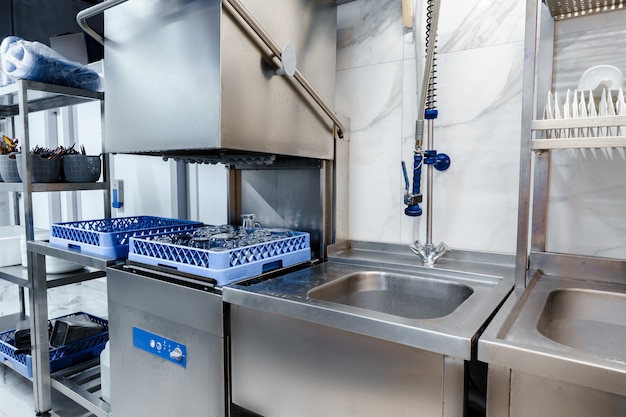
Restaurant Equipment Packages
Comprehensive equipment solutions for new restaurant ventures or kitchen renovations, matched to your menu concept and operational needs.
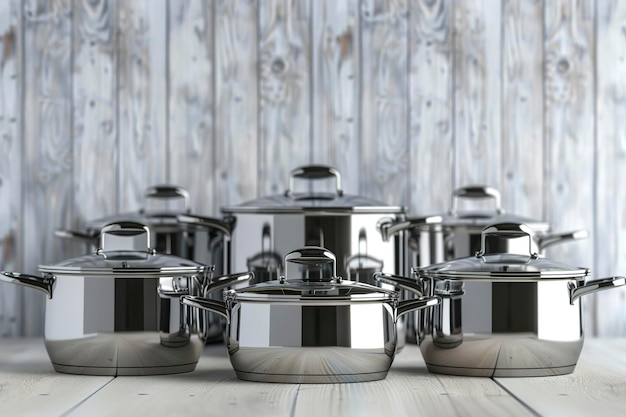
Home Kitchen Upgrades
Professional-quality equipment recommendations for residential kitchens, matched to your actual cooking habits and preferences.